Robotics is fundamentally altering industrial landscapes by enhancing efficiency and precision across multiple sectors. Automation technologies streamline workflows, reduce errors, and elevate production standards. In manufacturing, robotics enables rapid scalability to meet market demands. Meanwhile, healthcare applications improve surgical accuracy and patient outcomes. However, this integration raises significant concerns regarding job displacement and ethical implications. Understanding these dynamics is essential as industries navigate the complexities of robotic implementation.
The Impact of Robotics on Manufacturing Efficiency
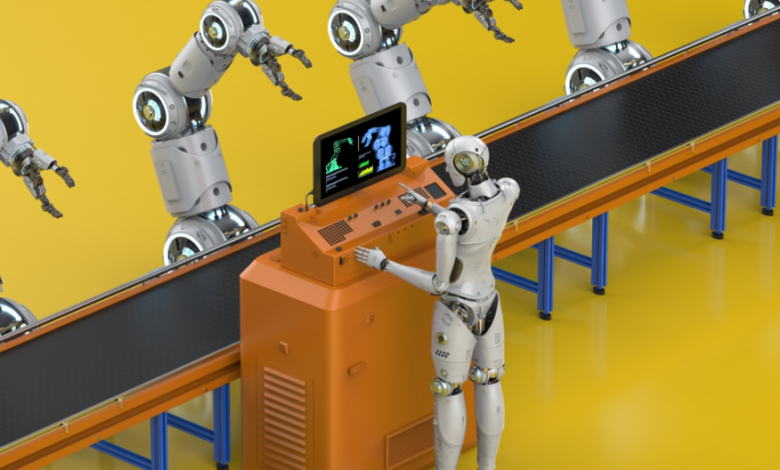
As industries increasingly adopt automation technologies, the integration of robotics into manufacturing processes has emerged as a pivotal factor in enhancing operational efficiency.
Robotics facilitates production optimization by streamlining workflows, reducing cycle times, and minimizing errors.
The automation benefits extend to improved resource allocation and enhanced scalability, allowing manufacturers to adapt swiftly to market demands while maintaining high-quality standards and operational flexibility.
See also: How Robotics Improves Medicine
Advancements in Healthcare Robotics
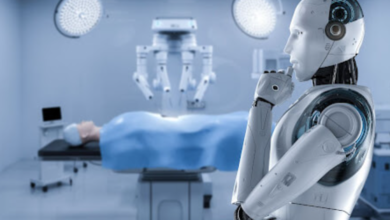
The integration of robotics in various sectors has not been limited to manufacturing; the healthcare industry has also seen significant advancements through the application of robotic technologies.
Surgical automation enhances precision in procedures, reducing recovery times and improving outcomes.
Meanwhile, robotic prosthetics offer personalized mobility solutions, adapting to individual patient needs and promoting independence, thereby revolutionizing rehabilitation and patient care in modern healthcare systems.
Challenges and Future Prospects of Robotics in Industry
While the potential of robotics to transform industry is evident, several challenges impede widespread adoption and integration.
Job displacement remains a critical concern, as automation threatens to replace human roles, prompting debates on workforce retraining.
Additionally, ethical considerations regarding data privacy and decision-making autonomy must be addressed, as industries navigate the complexities of implementing robotic systems while ensuring societal well-being and economic stability.
Conclusion
In conclusion, the integration of robotics across various industries exemplifies the adage “necessity is the mother of invention.” As businesses strive for enhanced efficiency and adaptability, robotics emerges as a pivotal solution, revolutionizing manufacturing and healthcare. However, the promise of these technologies is tempered by challenges, including workforce displacement and ethical dilemmas. A nuanced approach is essential to harness the benefits of robotics while addressing the complexities that accompany this technological transformation, ensuring sustainable progress in industry.