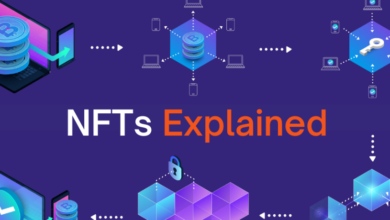
The emergence of Non-Fungible Tokens (NFTs) has significantly altered the landscape of the art world, particularly in terms of ownership and monetization. By facilitating digital scarcity, NFTs offer artists novel avenues for establishing authenticity and engaging with collectors. However, this shift prompts a critical examination of the implications for art valuation and the broader market dynamics. As the conversation evolves, it becomes essential to consider not only the benefits but also the inherent challenges and criticisms associated with this new paradigm. What does this mean for the future of art and its traditional frameworks?
The Rise of Digital Ownership
The emergence of digital ownership marks a transformative shift in how art is perceived, valued, and exchanged in the contemporary landscape.
Digital scarcity creates a unique allure, allowing artists to establish authenticity in virtual galleries.
This paradigm enables collectors to engage with art in unprecedented ways, fostering a sense of freedom and democratization that challenges traditional notions of ownership and accessibility in the art world.
New Revenue Streams for Artists
As digital ownership continues to redefine the landscape of art, artists are discovering innovative avenues for monetization through the sale of NFTs.
By leveraging royalty agreements, creators can receive ongoing income each time their work is resold, fostering sustained audience engagement.
This revolutionary model not only empowers artists but also democratizes access to art, allowing for greater financial independence in an evolving marketplace.
Impact on Art Valuation
Frequently, the advent of NFTs has compelled a reevaluation of traditional art valuation methods, challenging long-held perceptions of worth and scarcity.
As digital ownership disrupts conventional art market dynamics, new valuation standards emerge, prioritizing authenticity and provenance over physicality.
This shift empowers artists and collectors alike, fostering a more democratic landscape where creativity and innovation can thrive, redefining what constitutes value in art.
Challenges and Criticisms of NFTs
Critics often highlight several challenges associated with NFTs, which raise important questions about their long-term sustainability and impact on the art world.
Environmental concerns are prominent, as the energy consumption of blockchain technology contributes to ecological degradation.
Additionally, market speculation surrounding NFTs can create volatile pricing, undermining the intrinsic value of art and fostering a culture driven more by profit than genuine appreciation.
Conclusion
The intersection of NFTs and the art world heralds a transformative era, where digital ownership redefines traditional paradigms. As artists embrace new revenue streams and establish authentic connections with collectors, the valuation of art undergoes a profound shift. However, lurking beneath this promising landscape are challenges related to environmental sustainability and market volatility. The unfolding narrative raises critical questions about the future of art in a digital age, as the balance between innovation and responsibility hangs in the balance.