
Tech
-

How Satellites Improve Communication
Satellites play a crucial role in enhancing global communication networks. They provide reliable connections over vast distances, particularly in remote regions where traditional infrastructures are inadequate. Their capacity for high-speed internet access and seamless communication during emergencies is significant. Furthermore, satellites facilitate real-time data exchanges across various sectors. Understanding how these systems operate can reveal their broader implications on connectivity…
Read More » -
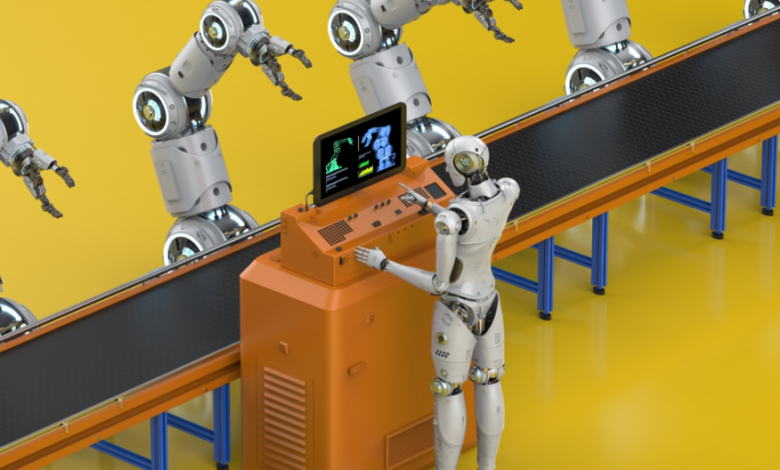
How Robotics Is Changing Industry
Robotics is fundamentally altering industrial landscapes by enhancing efficiency and precision across multiple sectors. Automation technologies streamline workflows, reduce errors, and elevate production standards. In manufacturing, robotics enables rapid scalability to meet market demands. Meanwhile, healthcare applications improve surgical accuracy and patient outcomes. However, this integration raises significant concerns regarding job displacement and ethical implications. Understanding these dynamics is essential…
Read More » -
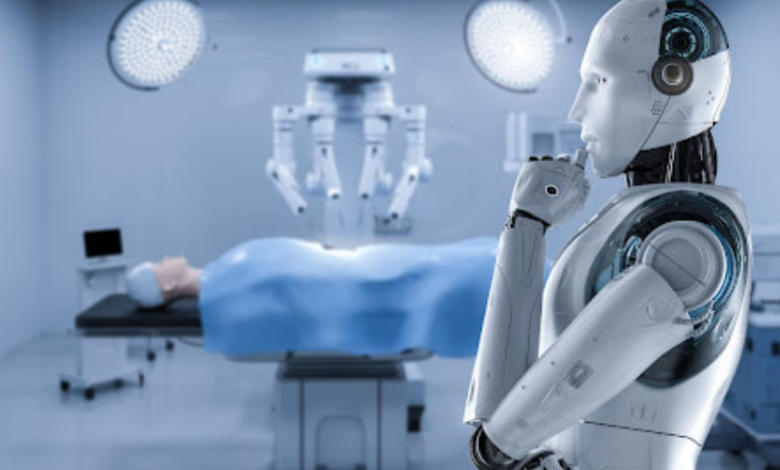
How Robotics Improves Medicine
Robotics has emerged as a transformative force in medicine, enhancing surgical precision and reducing recovery times. By minimizing human error, robotic-assisted procedures allow for complex operations with improved outcomes. Simultaneously, automation in hospital workflows optimizes resource management, enabling healthcare professionals to focus on patient care. As advancements continue in rehabilitation technologies and assistive devices, the implications for patient independence and…
Read More » -
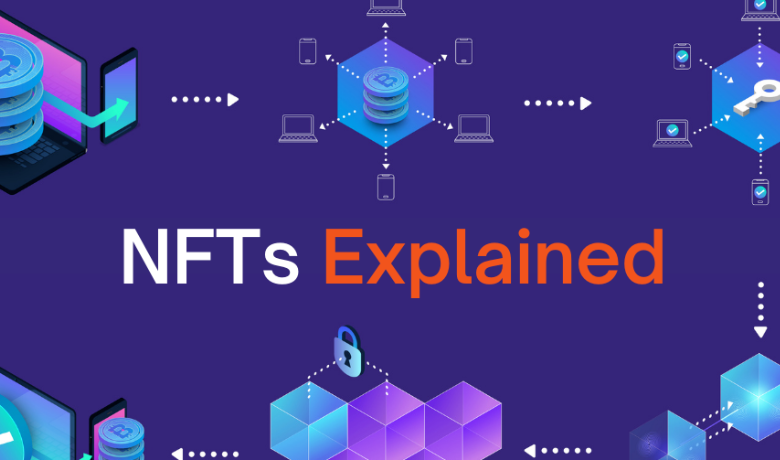
How NFTs Work
Non-Fungible Tokens (NFTs) function by leveraging blockchain technology to create distinct digital assets. Each token is uniquely identifiable and cannot be exchanged on a one-to-one basis like cryptocurrencies. This uniqueness is secured through immutable records on the blockchain, enabling verifiable ownership. As the market for NFTs expands, understanding their implications and applications becomes crucial. This exploration raises questions about the…
Read More » -
The Intersection of Tech and Mental Health: Innovations and Concerns
The convergence of technology and mental health has ushered in a new era of treatment options, offering innovative solutions such as teletherapy and AI-driven assessments that promise greater accessibility and tailored care. Yet, these advancements come with a host of ethical dilemmas, including concerns surrounding data privacy and the potential for unequal access to resources. As we navigate this complex…
Read More » -
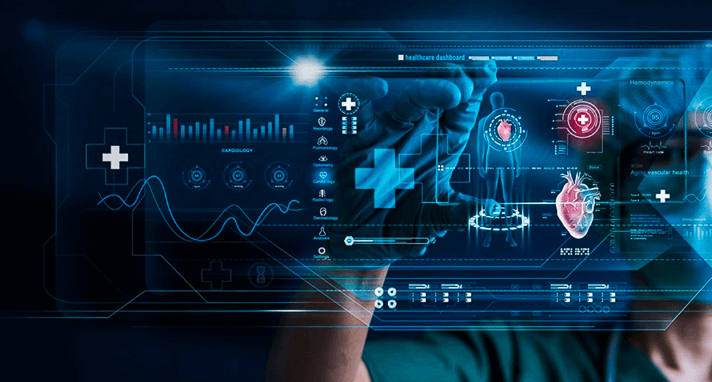
The Role of AI in Personalized Medicine
The integration of artificial intelligence into personalized medicine represents a significant evolution in healthcare, where treatment plans are increasingly tailored to the individual characteristics of patients. By harnessing advanced algorithms and extensive datasets, AI enhances diagnostic precision and therapeutic effectiveness. This shift not only promises improved patient outcomes but also raises critical questions about data ethics, accessibility, and the future…
Read More » -
How NFTs Are Changing the Art World
The emergence of Non-Fungible Tokens (NFTs) has significantly altered the landscape of the art world, particularly in terms of ownership and monetization. By facilitating digital scarcity, NFTs offer artists novel avenues for establishing authenticity and engaging with collectors. However, this shift prompts a critical examination of the implications for art valuation and the broader market dynamics. As the conversation evolves,…
Read More » -
How Machine Learning Models Are Trained and Used
The training and application of machine learning models involve a systematic approach, beginning with data acquisition and preprocessing to ensure quality input. Various techniques, such as supervised and unsupervised learning, dictate how algorithms identify patterns within the data. Once trained, these models find utility in diverse fields, from image recognition to natural language processing. However, the journey does not end…
Read More » -
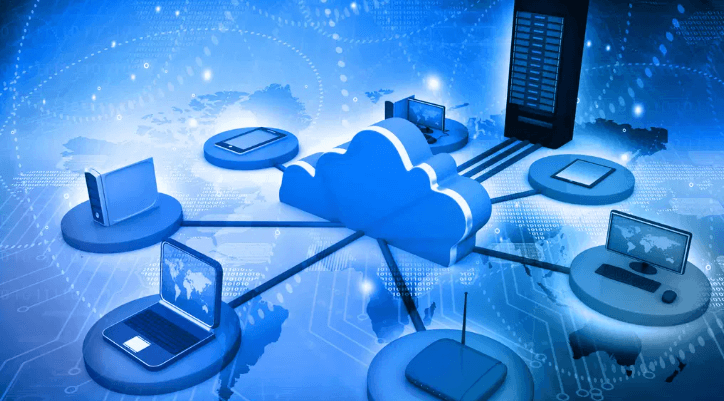
How Digital Assistants Are Becoming More Humanlike
The evolution of digital assistants has reached a pivotal moment, as advancements in natural language processing and emotional intelligence are increasingly enabling these systems to mimic human-like interactions. By achieving a nuanced understanding of context and employing empathetic responses, these technologies are not merely tools but are becoming companions in their own right. This shift raises important questions about the…
Read More »