
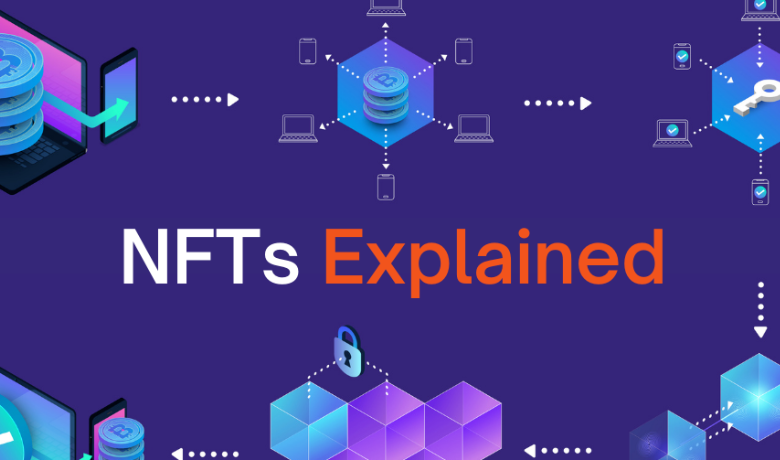
Non-Fungible Tokens (NFTs) function by leveraging blockchain technology to create distinct digital assets. Each token is uniquely identifiable and cannot be exchanged on a one-to-one basis like cryptocurrencies. This uniqueness is secured through immutable records on the blockchain, enabling verifiable ownership. As the market for NFTs expands, understanding their implications and applications becomes crucial. This exploration raises questions about the future of digital ownership and the evolving landscape of creative industries.
Understanding Non-Fungible Tokens
Non-fungible tokens (NFTs) represent a significant evolution in the digital asset landscape, characterized by their unique properties that distinguish them from fungible assets like cryptocurrencies.
NFTs facilitate digital ownership of unique assets, allowing creators and consumers to engage in a decentralized marketplace. This innovation empowers individuals, granting them autonomy over their digital possessions while ensuring authenticity and provenance in an increasingly digital world.
The Role of Blockchain Technology
Blockchain technology serves as the foundational infrastructure for non-fungible tokens (NFTs), providing the necessary framework for secure and transparent transactions.
Through its inherent blockchain security, it ensures that ownership is verifiable and immutable.
This decentralized ownership model empowers creators and collectors alike, enabling a trustless environment where digital assets can be traded freely without intermediaries, thus enhancing the authenticity and value of NFTs.
Applications and Implications of NFTs
As various industries explore the potential of digital assets, NFTs have emerged as versatile tools with a wide range of applications.
They facilitate art ownership by proving authenticity, while enabling creators to monetize digital collectibles.
Additionally, NFTs are transforming virtual real estate and gaming assets, enhancing user experiences.
Their role in intellectual property and cultural preservation signals a shift towards innovative asset management and ownership rights.
Conclusion
In the digital marketplace, NFTs emerge as unique keys to an expansive gallery, each key meticulously crafted and recorded in an unchangeable ledger. Like rare paintings, they confer not just ownership but also a narrative of authenticity and provenance. The blockchain acts as an unyielding curator, ensuring that each transaction is a brushstroke in a broader canvas of creativity and value. As the art of ownership evolves, NFTs redefine the boundaries between creator and consumer in an ever-expanding digital world.